
First, Let’s Be Honest About Trading
You’ve probably heard things like:
- “Making money online is a scam”
- “Trading is gambling”
- “Only insiders make money”
- “You need a lot of money to start”
Most of that is misinformation.
Here’s the truth:
Making money trading is real — but it’s not magic.
It’s built on:
Skills
Systems
Discipline
Time
Just like:
- Learning a job
- Starting a business
- Or mastering a profession
One of the most accessible skills to learn online today is trading.
That’s what this guide introduces — simply and clearly.
What Trading Actually Is
Most people think trading is complicated.
It’s not.
Trading is just:
Buying something at one price… and selling it at another.
Or the opposite:
Selling first… then buying it back lower.
That’s how money is made.

You’re not guessing.
You’re making a decision on direction.
👉 Simple mindset:
“Do I think price will go up… or down?”
That’s it.
Why Trading Pulls People In
Trading attracts people because it feels different from a normal job. You are not clocking in. You are not selling products. You are not chasing customers. You are learning how to read opportunity in the market and make decisions from anywhere.
That is what makes trading exciting. But that is also what makes it dangerous if you do not have structure. The same freedom that attracts people is the same freedom that causes undisciplined beginners to lose money.
What’s Possible With This Path
Experienced traders often don’t spend eight or ten hours a day working.
Instead, they may focus on the markets during the times that best fit their strategy, sometimes trading for an hour or two before stepping away.
On strong trading days, a well-executed plan can produce results that exceed what many traditional jobs pay in an entire day.
That doesn’t happen every day, and it takes time, education, and discipline to reach that level, but it’s one of the reasons so many people are willing to put in the work to learn.
One of our group members made $16,000 in 2 days working an hour each day.
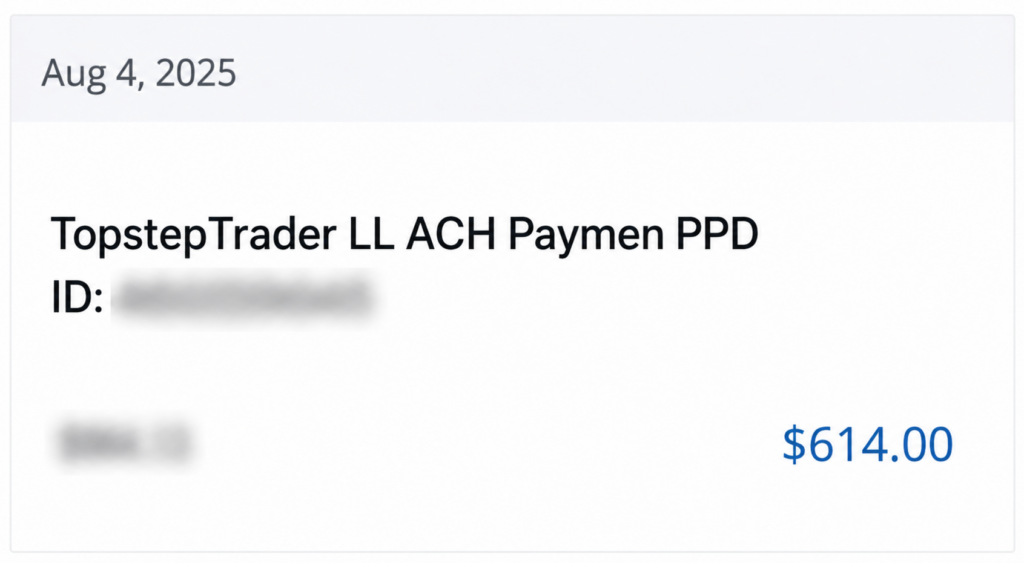
No hype.
No shortcuts.
Just someone who stayed consistent long enough to understand how the market moves…
and executed when the opportunity was there.
Who Trading Is Best For
Trading isn't just for people on Wall Street or those with finance degrees. Many successful traders started as ordinary people who were simply willing to learn a valuable skill and stay consistent.
⏰ People With a Couple of Hours Each Day
You don't need to spend your entire day staring at charts. Many trading strategies can be learned and practiced in as little as one to two focused hours a day. Whether that's before work, after work, or during a quiet part of your morning, consistency matters far more than endless screen time.
🎯 Patient and Disciplined People
Trading rewards patience far more than speed. The people who often perform best aren't the ones constantly chasing opportunities—they're the ones willing to wait for the right setup, follow their plan, and stay calm when emotions run high.
🌍 People Looking for More Flexibility
One of the biggest attractions of trading is flexibility. With a computer and an internet connection, many traders can analyze markets and manage their trades from almost anywhere. While it still requires commitment and discipline, it offers a level of freedom that many traditional careers don't.
💼 People Who Want to Build Another Income Stream
Some people begin trading alongside a full-time job, while others eventually make it a larger part of their lives. Like any profession, success isn't guaranteed and doesn't happen overnight—but with education, practice, and consistency, trading can become a skill that creates opportunities beyond a traditional paycheck.
What Real Trading Looks Like
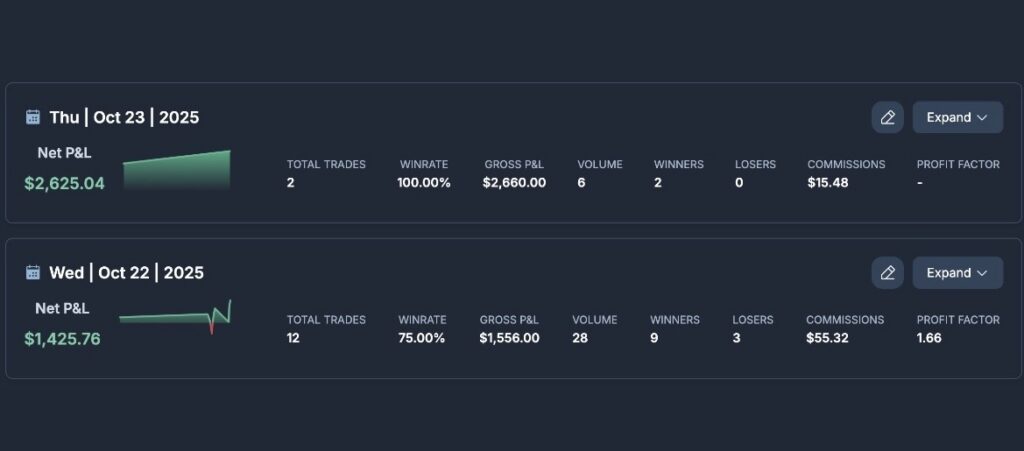
Wins
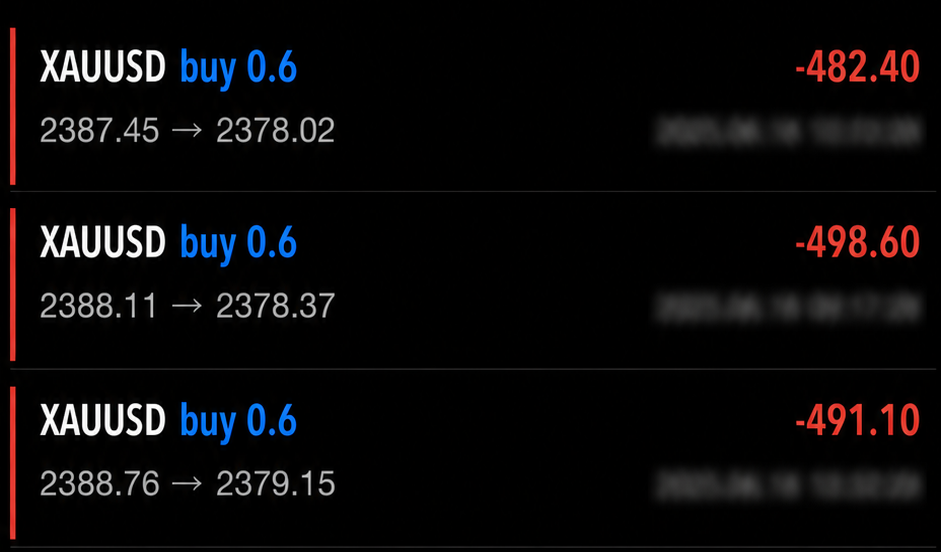
Losses
One of the biggest surprises for new traders is that successful trading isn't fast-paced or exciting most of the time. In reality, much of your trading session is spent waiting. You'll analyze the market, identify important price levels, and patiently wait for your setup to appear.
When your trading rules are met, you enter the trade, manage your risk, and let your plan play out. If those rules aren't met, you simply don't trade that day.
It's also important to understand that winning and losing are both normal parts of trading. There will be days when everything goes your way, and there will be days when the market proves you wrong. Every successful trader experiences both.
The difference is that disciplined traders don't let winning make them overconfident or losing make them emotional. They stick to their strategy, manage their risk, learn from every trade, and trust that consistency over time is what leads to long-term success.
🧠 Your Next Step
You've just learned the foundation.
But reading a guide alone won't build an online business.
The biggest questions usually come after you start.
⚠️ Why Most Beginners Never See Results
It's rarely because the business model doesn't work.
Most people struggle because they:
- Don't know what to do after the first few steps
- Jump from strategy to strategy too quickly
- Spend time on the wrong tasks
- Feel overwhelmed by conflicting advice
- Quit before they've built enough momentum
Success usually comes from following a clear process consistently—not from finding a secret shortcut.
📩 Continue Learning for Free
If you found this guide helpful, the next step is simple.
Join the free email series and receive practical lessons that go beyond this guide.
Over the next few days, you'll learn:
- What your daily workflow should actually look like
- The tools beginners should start with (and which ones to avoid)
- The biggest mistakes that waste time and money & More
Each email is designed to help you make steady progress without feeling overwhelmed.
Enter your email below to start your free learning series and continue building your skills—one step at a time.
Ready To Start?
Common Trading Myths
Is trading just gambling?
No—not when it's approached responsibly.
Gambling relies primarily on chance, while trading involves analyzing financial markets, managing risk, and making decisions based on a structured plan. However, trading without a strategy or proper risk management can become similar to gambling.
Do you need a lot of money to start trading?
Not necessarily.
Many beginners start by practicing with paper trading accounts that use virtual money. Others eventually use funded account programs or begin with smaller amounts of personal capital after they've developed their skills.
The most valuable investment early on is learning—not the size of your account.
Can beginners learn trading?
Yes.
Everyone starts as a beginner.
Like learning to play an instrument or learning a new language, trading takes education, practice, and repetition. Most experienced traders were once beginners learning how markets work.
Do professional traders win every trade?
No.
Even experienced traders have losing trades.
The goal isn't to win every time—it's to make good decisions consistently over many trades while managing risk responsibly.
Losses are a normal part of trading.
Do I need to watch charts all day?
Not always.
Different trading styles require different amounts of time.
Some traders actively monitor the markets throughout the day, while others analyze charts at specific times and hold positions longer. The approach you choose depends on your goals, schedule, and preferred trading style.
Can trading become a full-time career?
For some people, yes.
Many people trade as a hobby or part-time activity, while others eventually build enough skill and experience to make it their primary source of income. Like any profession, reaching that point usually takes significant education, practice, and consistency.
Is trading a guaranteed way to make money?
No.
Trading always involves risk, and no strategy can guarantee profits.
Successful traders focus on managing risk, protecting their capital, and making disciplined decisions over the long term rather than expecting every trade to be a winner.
Do you need to predict the market perfectly to be successful?
No.
Successful trading isn't about predicting every market movement correctly.
It's about having a repeatable process, managing risk carefully, and making decisions that have a positive probability over time. Even the best traders are wrong regularly—they simply manage those losses effectively.