
Affiliate marketing is one of the fastest ways to start making money online — without creating a product, handling customers, or building a company.
You earn by directing attention.
How it All Works
Think about how often people buy things online.
Every day, millions are:
Buying from Nike
Upgrading with Apple
Ordering from Amazon
Subscribing to apps and services
It’s constant — all day, every day.
Now think about yourself:
How many times have you clicked a link…
seen something…
and ended up buying?
That’s normal now.
And behind many of those purchases…
someone is earning a commission.
- No inventory
- No customer service
- No product creation

Companies you use everyday allow you to earn with them.
Instead of creating products…
You simply connect people to things they already want or need.
It works like this:
You promote an offer
Someone clicks your link
They sign up or buy
You earn a commission
Why Affiliate Marketing Pulls People In
Affiliate marketing is a multibillion dollar industry. Affiliate marketing attracts people because it lets you step into buying decisions that are already happening every day.
People are already searching for tools, apps, courses, software, financial platforms, fitness products, business resources, and ways to solve problems.
Affiliate marketing allows you to become the bridge between the person with the problem and the product that may help them solve it.
📦 No Inventory
🚚 No Shipping
👥 No Customer Support
🏭 No Product Creation
Your main job is to understand what people want and help them make a decision.
That’s it.
Why Do Companies Pay Affiliates?
At first, affiliate marketing can seem too good to be true.
A common question beginners ask is:
“Why would a company pay me instead of selling the product themselves?”
The answer is simple.
Companies are always looking for new customers.
Traditionally, they spend money on advertising through search engines, social media, and other forms of marketing. None of those methods guarantee a sale—they simply create the opportunity for someone to discover the business.
Affiliate marketing works differently.
Instead of paying upfront for advertising, companies reward people who successfully introduce new customers. If someone clicks your affiliate link and completes the required action, such as making a purchase or signing up for a service, the company pays you a commission.
This is known as performance-based marketing because the company only pays when it receives a measurable result.
It’s a win for everyone involved.
How Affiliate Programs Work
One of the reasons affiliate marketing is so appealing is that there are many different ways to earn commissions.
Some companies pay you when someone buys a product. Others pay when someone signs up for a subscription, requests a quote, or even submits their email address.
Once you understand the different commission models, you’ll start recognizing opportunities everywhere.
Commission
A commission is the money you earn when someone completes a qualifying action through your unique affiliate link.
That action depends on the affiliate program. It could be:
- Purchasing a product
- Signing up for a free trial
- Creating an account
- Requesting a quote
- Submitting an email address
Every company decides what actions they reward, so commission structures can vary from one program to another.
The Three Most Common Ways Affiliates Get Paid
Although every affiliate program is different, most fall into one of these three payment models.
1. One-Time Commissions
This is the most common type of affiliate payment.
Someone purchases a product or service through your affiliate link, and you receive a commission for that sale.
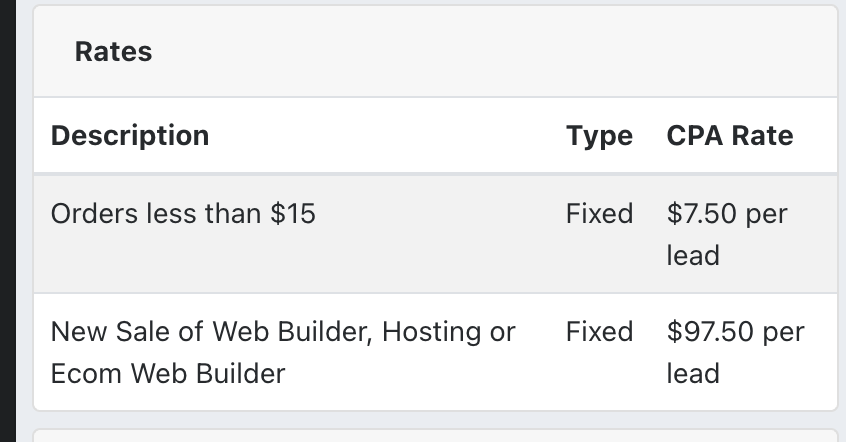
For example:
- You recommend an online course.
- Someone purchases it through your link.
- You receive a one-time commission.
Once the transaction is complete, so is the commission.
Many physical products, digital downloads, and online courses use this model.
2. Recurring Commissions (Revenue Share)
Some companies pay you every month as long as the customer remains subscribed.
Instead of earning one commission, you receive a percentage of the monthly subscription fee. This is often called recurring commission or revenue share (RevShare).
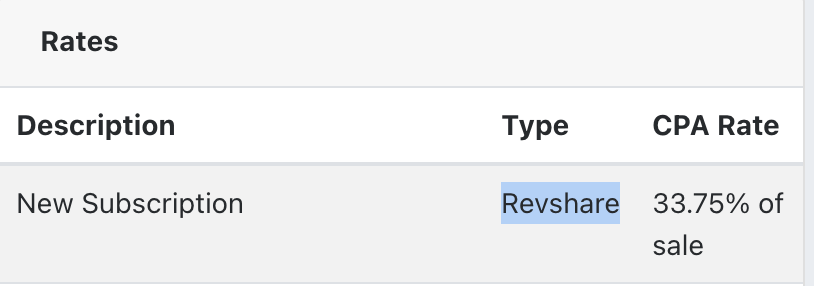
For example:
- You recommend a software platform.
- Someone subscribes using your affiliate link.
- The customer keeps their subscription.
- You continue earning commissions each billing cycle while they’re an active customer.
Many software companies, membership platforms, and online services use recurring commissions because they reward affiliates for bringing in long-term customers.
3. Pay Per Lead (Email Submits)
Not every affiliate program requires someone to make a purchase.
Some companies simply want qualified leads.
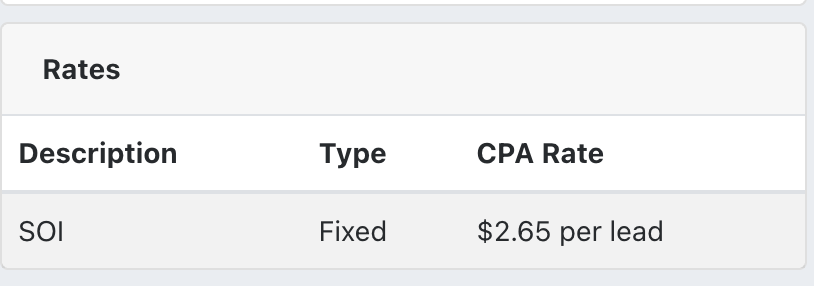
That means you can earn a commission when someone:
- Submits their email address
- Creates a free account
- Starts a free trial
- Requests more information
- Completes another lead form
Depending on the offer, affiliates may earn a few dollars—or sometimes more—for each qualified lead.
This makes affiliate marketing flexible because not every commission depends on convincing someone to buy something, making it easier for you to make money.
Affiliate Links
Every affiliate receives a unique tracking link.
When someone clicks your link, the affiliate program knows you referred that visitor. If they complete a qualifying action, the commission is credited to your account.
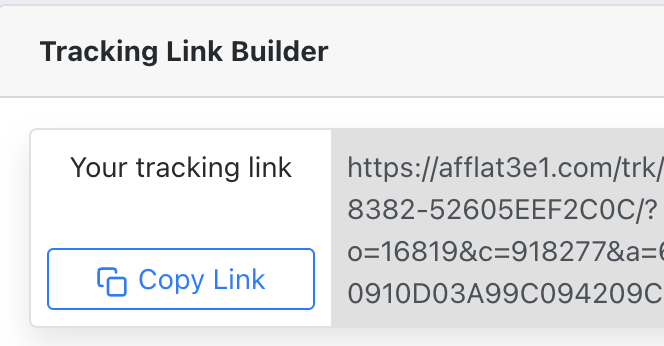
Think of it as your personal referral link.
Cookie Duration
Most affiliate programs use cookies to remember who referred a visitor.
For example, if a program has a 30-day cookie, someone could click your affiliate link today but make their purchase several days later. As long as they complete the purchase within the cookie period and meet the program’s requirements, you may still receive the commission.
Some programs use shorter cookie windows, while others track referrals for several months.
Conversion Rate
A conversion happens when someone completes the action an affiliate program is rewarding.
For example:
- 100 people click your affiliate link.
- 5 people make a purchase.
- Your conversion rate is 5%.
Improving your conversion rate often means creating better content, recommending more relevant products, or sending people to offers that better match their needs.
EPC (Earnings Per Click)
Affiliate programs often display a metric called EPC (Earnings Per Click).
EPC estimates the average amount affiliates earn for each click sent to an offer. While it’s not a guarantee of what you’ll earn, it can help compare offers and understand which ones may be performing well.
Which Commission Model Is Best?
Each commission model has its own advantages.
- One-time commissions can provide larger payouts from individual sales.
- Recurring commissions can build predictable monthly income over time.
- Pay Per Lead programs can make it easier to earn commissions because the visitor doesn’t always need to make a purchase.
As you gain experience, you’ll likely discover that many successful affiliate marketers promote a combination of these models rather than relying on just one.
Who Is Affiliate Marketing Best For?
One of the biggest advantages of affiliate marketing is that there isn’t one “perfect” person for it.
If you can help people find solutions to problems they already have, affiliate marketing can become part of your business.
It may be a good fit for:
- Content creators who enjoy making YouTube videos, TikToks, Instagram posts, or podcasts.
- Bloggers and writers who like publishing helpful articles and product reviews.
- Students looking to build an online income while learning valuable digital skills.
- Working professionals who want to create an additional income stream outside of their full-time job.
- Entrepreneurs who want to recommend products without creating their own.
- Website owners who already have visitors looking for information or recommendations.
Affiliate marketing isn’t about having millions of followers.
It’s about connecting the right people with the right solution.
Real Examples of Affiliate Marketing in Action
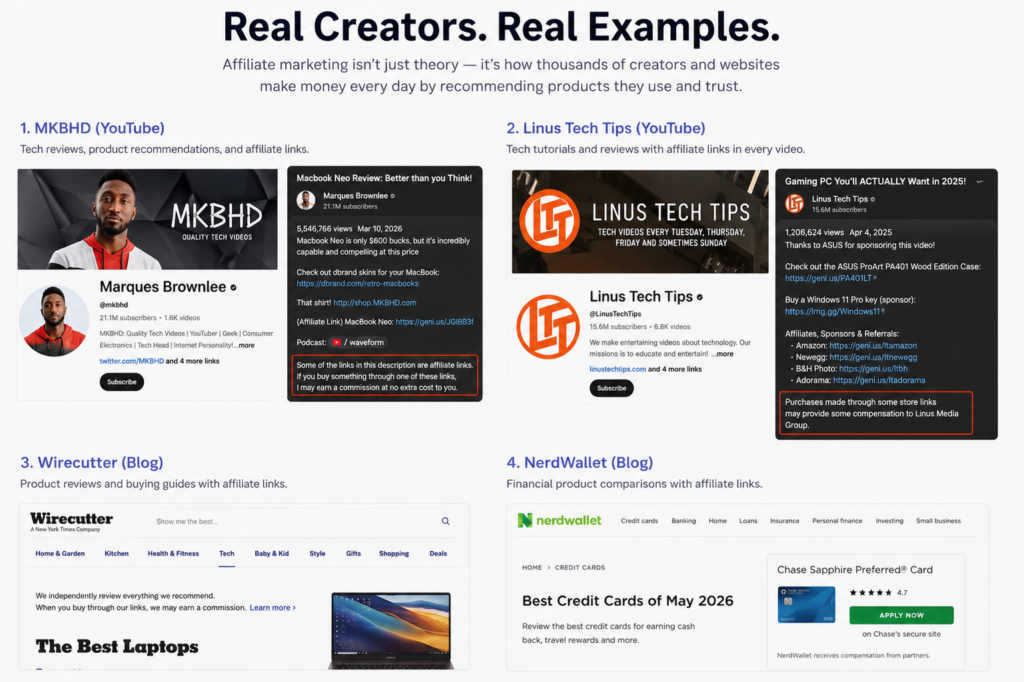
If you’ve spent time online, you’ve almost certainly seen affiliate marketing without realizing it.
Here are a few well-known examples.
Product Review Websites
Websites like Wirecutter, owned by The New York Times, publish in-depth product reviews and buying guides. When readers purchase products through their recommended links, Wirecutter may earn a commission. Their reviews include clear affiliate disclosures explaining how they make money.
Financial Comparison Websites
Sites such as NerdWallet help people compare credit cards, loans, insurance, and financial products. When visitors apply for certain products through links on the site, NerdWallet may receive compensation from its partners, while maintaining editorial standards.
YouTube Creators
Many technology creators on YouTube review laptops, cameras, microphones, smartphones, and software. In the description of their videos, you’ll often find links to the products they discuss. When viewers purchase through those links, the creator may earn an affiliate commission. Tech channels such as MKBHD (Marques Brownlee) commonly include affiliate links for products featured in their videos.
Everyday Creators
Affiliate marketing isn’t limited to large websites or famous YouTubers.
Thousands of bloggers, niche website owners, newsletter writers, and social media creators earn commissions by recommending products they genuinely use and believe will help their audience. Whether it’s fitness equipment, business software, photography gear, books, or educational tools, affiliate marketing has become a common way for creators to monetize helpful content.
The common thread isn’t fame—it’s trust.
The more value you provide and the more you help people make informed decisions, the greater the opportunity to earn commissions over time.
🧠 Your Next Step
You’ve just learned the foundation.
But reading a guide alone won’t build an online business.
The biggest questions usually come after you start.
⚠️ Why Most Beginners Never See Results
It’s rarely because the business model doesn’t work.
Most people struggle because they:
- Don’t know what to do after the first few steps
- Jump from strategy to strategy too quickly
- Spend time on the wrong tasks
- Feel overwhelmed by conflicting advice
- Quit before they’ve built enough momentum
Success usually comes from following a clear process consistently—not from finding a secret shortcut.
📩 Continue Learning for Free
If you found this guide helpful, the next step is simple.
Join the free email series and receive practical lessons that go beyond this guide.
Over the next few days, you’ll learn:
- What your daily workflow should actually look like
- The tools beginners should start with (and which ones to avoid)
- The biggest mistakes that waste time and money & More
Each email is designed to help you make steady progress without feeling overwhelmed.
Enter your email below to start your free learning series and continue building your skills—one step at a time.
Ready To Start?
FAQs
Frequently Asked Questions
What is affiliate marketing?
Affiliate marketing is a business model where you earn a commission by recommending products or services to other people. When someone clicks your unique affiliate link and completes a qualifying action—such as making a purchase or signing up—you receive a commission from the company. You don’t create the product, manage inventory, or provide customer support. Your role is to connect people with solutions that may help them.
How do I make money with affiliate marketing?
Affiliate marketers make money by introducing people to products or services they are already interested in. This is often done through content such as YouTube videos, blog articles, social media posts, email newsletters, or websites. When your content helps someone make a buying decision and they use your affiliate link, you may earn a commission.
How fast can you make money with affiliate marketing?
There isn’t a set timeline because results depend on factors like the quality of your content, the audience you reach, the products you promote, and how consistently you work. Some people earn their first commission within a few weeks, while others may take several months. Like most businesses, affiliate marketing rewards patience, testing, and continuous improvement rather than overnight success.
Is affiliate marketing passive income?
Affiliate marketing has the potential to generate passive income, but it usually isn’t passive when you’re starting. Most successful affiliates spend time creating content, learning their audience, and improving their marketing. Over time, content you’ve already published can continue generating traffic and commissions, but maintaining and growing your business still requires ongoing effort.
Is affiliate marketing worth it?
For many people, affiliate marketing can be a worthwhile way to build an online income because it has relatively low startup costs and doesn’t require creating your own products or managing inventory. However, it isn’t a guaranteed source of income. Success comes from consistently creating valuable content, building trust with an audience, and recommending products that genuinely help solve people’s problems.